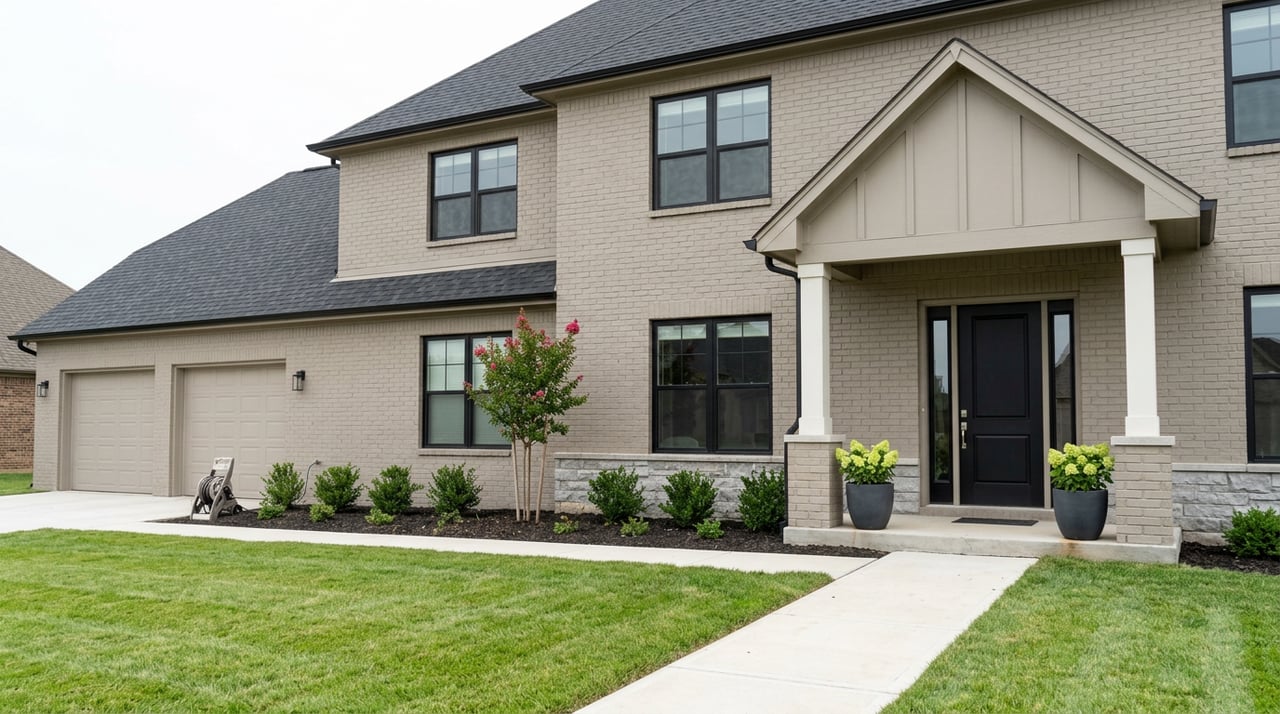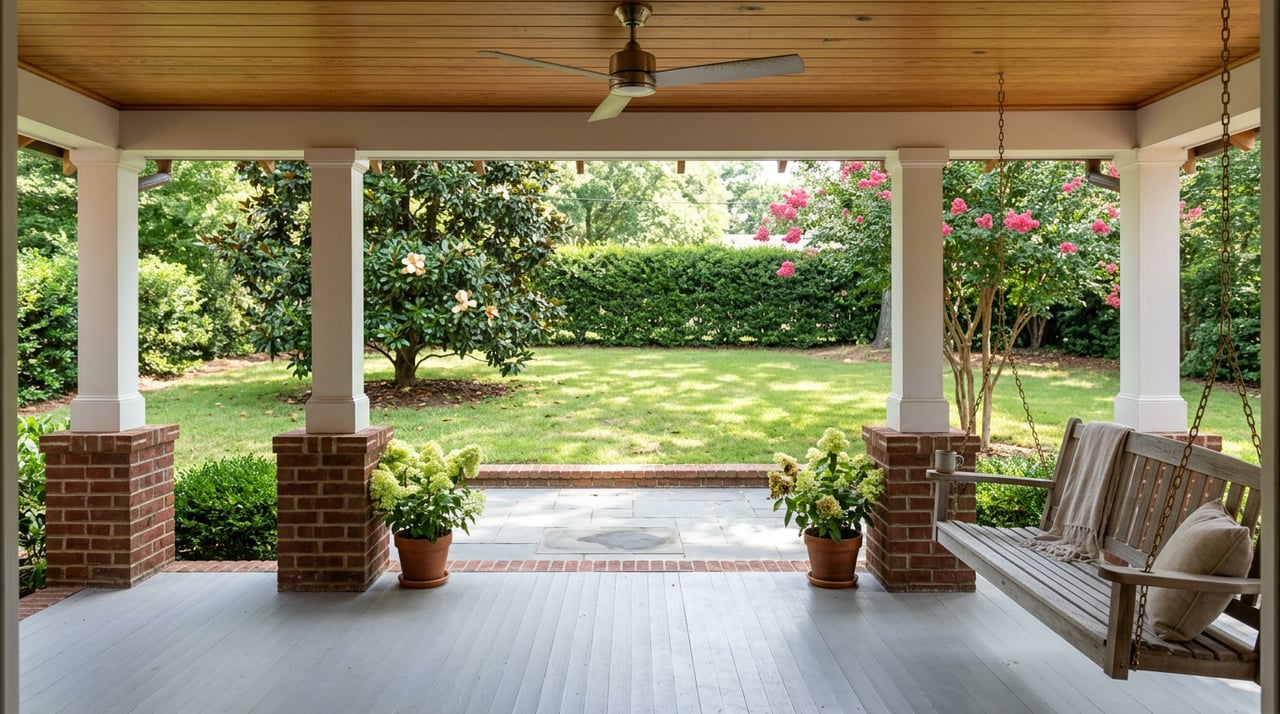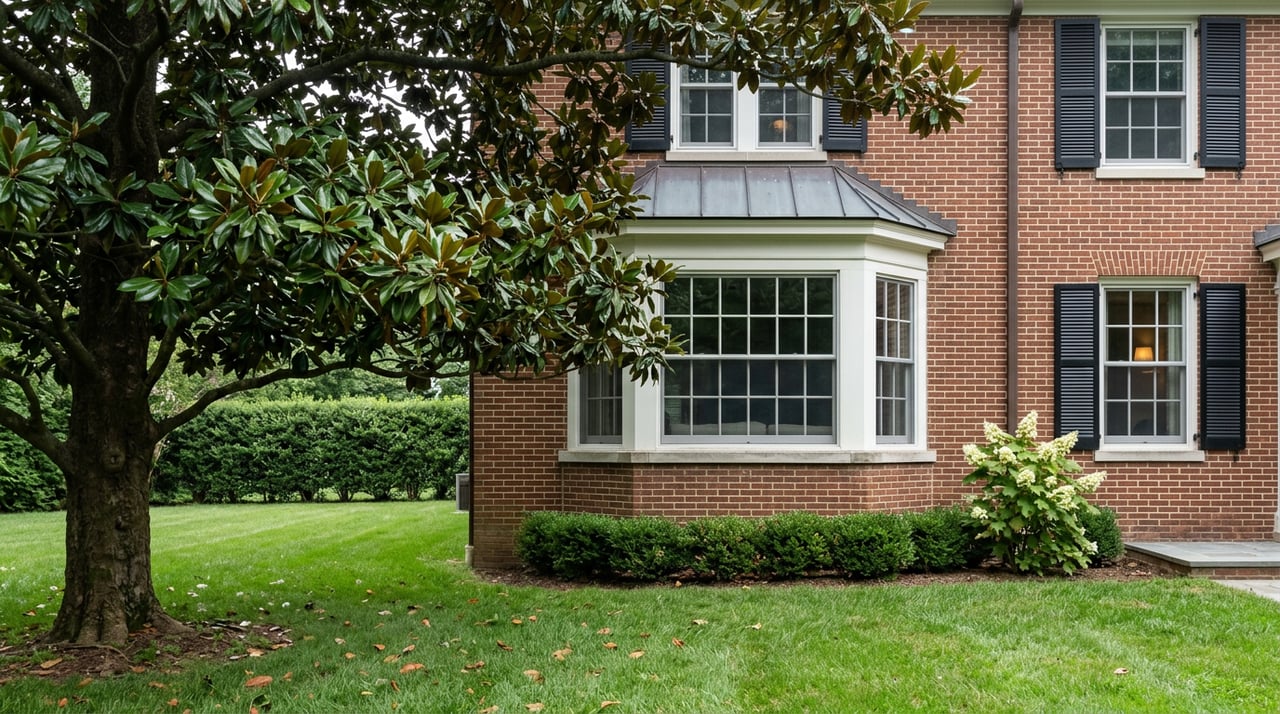
The item most likely to move your closing date in Germantown this summer is not the roof, the HVAC, or the appraisal. It is a tree. Usually a single one, often on a side yard or a fence line, flagged by a buyer's inspector as dead, declining, or overhanging a structure. In a faster market, sellers absorbed the note and moved on. In the market Germantown is running right now, buyers have time on their side, and that one line item is where they spend it.
This is a Germantown-specific friction. The city's code puts dead-tree removal squarely on the property owner, the mitigation formula for larger removals is unusually specific, and a 2022 ordinance change moved tree-plan review deeper into the entitlement process. Sellers who understand the mechanics can defuse the issue before an inspector ever pulls into the driveway. Sellers who don't tend to find out during the repair-request phase, when the calendar is already tight.
The Line Item That Rewrote the Closing Calendar
A buyer's inspector in Germantown is not evaluating your trees as a landscape feature. They are evaluating them the way they evaluate a water heater or a service panel: is it a hazard, is it a code issue, and does it belong on the repair request. Overhanging deadwood above a roof, root heave against a foundation or driveway, a leaning trunk near a bedroom wall, or a dead trunk anywhere on the lot all read as line items.
Local inspectors who work Germantown regularly, including Precision Home Inspections in Germantown (founded by certified master inspector Jason Lovelace in 1999) and Cornerstone Home Inspections (owner Caleb Burch), routinely add sewer scope and exterior hazard notes to their reports, and buyers now treat those notes as negotiation leverage rather than informational asides.
The reason that leverage bites in Germantown, and not always in other Shelby County suburbs, is what the code says about the tree once it is flagged.
What Germantown's Code Actually Puts on the Owner
The city's Single-Family Property Maintenance Requirements are explicit about what a homeowner has to handle on their own lot:
- Dead trees must be removed by the property owner.
- Tree limbs must be trimmed to eight feet above sidewalks and twelve feet above streets.
- Vegetation must not obstruct drivers' views at intersections.
- Grass, weeds, and noxious growth must stay below six inches.
- Dumping yard waste, chemicals, or debris into ditches or storm drains is a code violation.
The city's Residential Ordinance Guide adds a dedicated information sheet titled "Trees on residential lots," alongside the sheets on fencing, additions, and accessory structures. Code Compliance takes calls at (901) 757-7281.
None of that is dramatic on its own. The friction shows up when a buyer's inspector flags a dead specimen the seller has been meaning to deal with, the buyer's agent quotes the ordinance in the repair addendum, and the seller has to either produce a removal receipt or credit the cost before the inspection contingency runs out. In a Germantown sale, "the buyer wants the tree gone" is not a preference. It is aligned with a rule the city already enforces.
The Arborist Moved. That Matters More Than It Sounds.
In 2022 the city amended its tree mitigation ordinance and formalized the role of the city arborist, then Wes Hopper, in reviewing tree plans. Under the change, the arborist's recommendations run through the Planning Commission rather than the Design Review Commission, with Cameron Ross, the city's economic and community development director, telling board members that the shift was meant to align tree review with site-plan review.
For most resale transactions on an existing single-family lot, you are not filing a tree plan. What matters is the mitigation math still on the books, because it sets the ceiling on what a removal can cost when a large specimen is involved. Under the framework the city has used since 2019, a 24-inch-diameter tree removed in a regulated context could require replanting eight trees at 3-inch diameter, with a payment-in-lieu option if the site cannot accommodate the replacements. Ross has indicated the payment formula was slated for further review.
The practical takeaway for a seller: a dead 8-inch dogwood on a side yard is a service call. A dead or hazardous mature oak, magnolia, or sweetgum, of which Germantown has many on estate-sized lots, can turn into a scope-of-work conversation that involves more than one professional. Buyers know that. Their agents know it. Which is why the tree line item now gets used the way the sewer scope gets used in Midtown.
How the Market Gave Buyers Room to Push
Two years ago, a buyer in Germantown who dug in on a tree got told no and walked, and the next offer showed up by the weekend. That is not the current market.
| Source | Window | Median or Avg Price | Days on Market |
|---|---|---|---|
| Redfin, Germantown | March 2026 | $480K median, down 3.0% YoY | 37, up from prior year window |
| Movoto, Germantown | April 2026 | $524,950 median list | 42, up from 33 last year |
| Benchmark via MAAR data | Jun 12 to Jul 12, 2026 | $575,978 avg sale, up 18.9% | Avg DOM up 5.3% |
The three snapshots disagree on price level because they measure different things, list price versus sale price versus average versus median. They agree on the direction of days on market. Homes in Germantown are sitting longer than they were a year ago, even as sale-to-list ratios hold near ask. Longer marketing time is what gives a buyer's agent the confidence to write a repair addendum that includes tree work and mean it.
Redfin migration data for the October to December 2025 window showed 68% of Germantown home searchers looking to stay inside the metro and 32% searching to leave, with Atlanta the top inbound origin. That inbound demand is real but not urgent. Urgent buyers do not typically litigate a dead limb.
What the Tennessee Disclosure Form Says About a Tree You Knew About
Tennessee operates under what practitioners call modified caveat emptor. Under Tennessee Code Annotated Title 66, Chapter 5, Part 2, sellers of one-to-four-unit residential property must deliver a written Residential Property Condition Disclosure before a purchase contract is accepted. The form asks about the roof, foundation, drainage, water intrusion, structural components, and known defects. A hazardous tree that has already caused damage to a structure, a driveway, a fence, or a utility line is not a landscape question. It is a structural and drainage question.
The Tennessee liability window is short in one sense and long in another. A buyer generally has one year from disclosure or closing to bring a claim over a known-but-undisclosed material defect. That is enough time for last summer's storm damage, patched but not repaired, to become next spring's lawsuit.
A tree you have been "meaning to take down" is a disclosed item once it is on your radar. Selling around it is more expensive than removing it.
Local buyer's inspectors document everything with photos and video, and the report is easy to hand to a real estate attorney. A pre-listing arborist letter, on the other hand, converts a soft anxiety into a documented condition with a professional opinion attached. Buyers negotiate against ambiguity. Documentation removes it.
The Pre-Listing Sequence That Keeps the Date
For sellers who want a Germantown closing to land on the calendar it started on, the order of operations matters more than any single fix.
- Walk the perimeter with a licensed arborist before the sign goes in the yard. Ask for a written condition report on every mature specimen and a removal quote on anything dead or declining.
- Handle removals of dead trees first. That satisfies both the property maintenance rule and the most common inspector callout in one move.
- For any tree you are keeping that has visible deadwood over a roof or driveway, schedule clearance pruning to the eight and twelve foot city standards for street-adjacent trees, and to a defensible clearance on the roofline.
- Keep receipts and the arborist's letter in the listing folder. Attach them to the disclosure the way you would attach an HVAC service record.
- If a large removal falls into the ordinance's mitigation framework, get the replanting or payment-in-lieu question answered by Code Compliance at (901) 757-7281 before you list, not during the inspection window.
- Standard Tennessee inspection contingencies run roughly ten to fourteen days. Front-loading the tree work protects that window from the one line item most likely to consume it.
None of this is glamorous, and none of it shows up in listing photos. It shows up in the sale-to-list ratio and in the closing date holding firm.
FAQ
Does Germantown require a permit to remove a tree on a private residential lot? Germantown regulates trees on residential lots through its ordinance framework, and the code makes clear that dead trees must be removed by the owner. Any removal that touches the mitigation ordinance, particularly for larger specimens or work tied to a site plan, should be confirmed with Code Compliance at (901) 757-7281 before you cut.
If a tree damages my neighbor's property before closing, whose problem is it? Tennessee property law generally looks at whether the owner had notice of the hazard and took reasonable steps. Documented maintenance records and an arborist's report matter here. Your closing attorney and insurer are the right calls for a specific situation.
Should I get a pre-listing inspection just for the exterior and trees? Many Germantown sellers pay for a full pre-listing inspection so nothing is a surprise. If your concern is concentrated on the canopy, a written arborist evaluation is often the more targeted tool and is easier to hand a buyer's agent alongside the disclosure.
If you are getting a Germantown home ready to list this summer, or reading a repair addendum with a tree on it, the team at Chuck House can walk the lot with you, coordinate the right pre-listing calls, and price the home against a market where days on market, not price, is doing most of the negotiating. Start with a free home valuation and a conversation about what should happen before the sign goes up.